Chess Game: The Ultimate Guide to the World's Most Popular Strategy Board Game
The chess game is one of the oldest and most respected strategy games in the world. Played by millions of people across different countries, chess is more than just a board game. It is a battle of ideas, planning, patience, and intelligence. From children learning the basics to grandmasters competing in world championships, the chess game continues to inspire players of all ages.
Unlike games that rely on luck, the chess game is entirely based on skill and decision-making. Every move can change the outcome of the match, making each game unique and exciting. Whether you are a beginner or an experienced player, understanding the history, rules, and strategies of chess can improve your appreciation for this timeless game.
What Is a Chess Game?
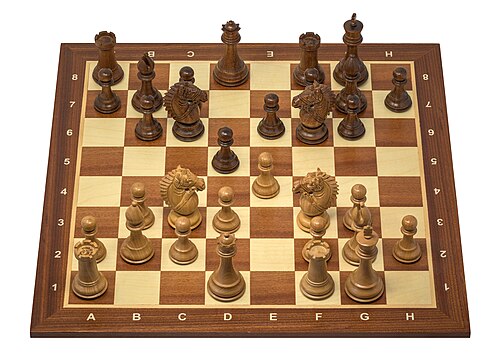
A chess game is a strategic board game played between two players on a square board consisting of 64 black and white squares. Each player starts with 16 pieces, including:
- One king
- One queen
- Two rooks
- Two bishops
- Two knights
- Eight pawns
The main objective of the chess game is to checkmate the opponent's king. Checkmate occurs when the king is under attack and has no legal move to escape.
The beauty of chess lies in its simplicity. The rules are easy to learn, but mastering the game can take years of practice.
History of the Chess Game
The origins of the chess game can be traced back more than 1,500 years. Historians believe that chess originated in India, where it was known as Chaturanga. Over time, the game spread to Persia, the Middle East, and Europe.
By the 15th century, the rules of modern chess had taken shape. The queen became the most powerful piece, and the movement of several pieces was modified to create a faster and more exciting game.
Today, the chess game is played worldwide and is recognized as one of the greatest intellectual sports.
Why the Chess Game Is So Popular
The popularity of the chess game continues to grow because it offers numerous benefits and challenges.
Improves Thinking Skills
Chess encourages players to think several moves ahead and evaluate different possibilities.
Enhances Concentration
Every move requires focus and attention, helping players develop better concentration skills.
Builds Patience
A successful chess game often requires careful planning and patience.
Encourages Creativity
Players constantly create new strategies and solutions during a match.
Suitable for All Ages
The chess game can be enjoyed by children, adults, and seniors alike.
Understanding the Chess Board
The chess board contains 64 squares arranged in an eight-by-eight pattern.
The board is positioned so that each player has a white square on the bottom-right corner.
Each square has a unique coordinate made up of a letter and a number, making it easier to record and analyze games.
Understanding the board layout is one of the first steps toward mastering the chess game.
Chess Pieces and Their Movements
Each piece in the chess game moves differently.
King
The king can move one square in any direction.
Protecting the king is the most important objective in chess.
Queen
The queen is the most powerful piece and can move in all directions.
Rook
The rook moves horizontally and vertically across the board.
Bishop
The bishop moves diagonally and remains on the same color throughout the game.
Knight
The knight moves in an L-shaped pattern and can jump over other pieces.
Pawn
Pawns move forward one square but capture diagonally.
Understanding how each piece moves is essential for playing a successful chess game.
Basic Rules of the Chess Game
The chess game follows several important rules.
Check
A king is in check when it is under attack.
Checkmate
Checkmate occurs when the king cannot escape an attack.
Stalemate
A stalemate happens when a player has no legal move but is not in check.
Castling
Castling allows the king and rook to move simultaneously for safety.
Pawn Promotion
When a pawn reaches the final rank, it can be promoted to another piece, usually a queen.
En Passant
This special pawn capture rule adds strategic complexity to the chess game.
Stages of the Chess Game
Every chess game can generally be divided into three stages.
Opening
The opening focuses on developing pieces and controlling the center of the board.
Popular openings include:
- Italian Game
- Ruy Lopez
- Sicilian Defense
- French Defense
- Queen's Gambit
Middlegame
The middlegame is where tactics and combinations become important.
Players often launch attacks and create strategic plans.
Endgame
The endgame begins when only a few pieces remain on the board.
Precise calculations become critical during this stage of the chess game.
Benefits of Playing the Chess Game
The chess game offers numerous mental and educational benefits.
Improves Memory
Remembering openings and tactical patterns strengthens memory.
Develops Problem-Solving Skills
Players constantly analyze positions and find solutions.
Enhances Decision-Making
Every move requires careful evaluation.
Increases Focus
The game trains players to maintain concentration for long periods.
Encourages Strategic Thinking
Planning several moves ahead improves strategic abilities.
These benefits explain why the chess game is often used in schools and educational programs.
Popular Chess Strategies
Learning basic strategies can significantly improve your performance.
Control the Center
The center squares provide greater mobility for pieces.
Develop Pieces Quickly
Bringing pieces into active positions creates attacking opportunities.
Protect the King
King safety is essential throughout the chess game.
Avoid Moving the Same Piece Repeatedly
Develop all pieces before launching an attack.
Think Before Every Move
Careful planning reduces mistakes and improves decision-making.
Common Mistakes in the Chess Game
Many beginners make similar mistakes.
Ignoring Piece Development
Failing to develop pieces can lead to a poor position.
Leaving Pieces Unprotected
Always check whether your pieces are defended.
Attacking Too Early
Premature attacks often fail and weaken your position.
Forgetting King Safety
An exposed king can quickly become vulnerable.
Making Moves Too Quickly
Patience is essential in every chess game.
Chess Game and Technology
Technology has transformed the way people play chess.
Online platforms allow players to:
- Compete against opponents worldwide
- Solve puzzles
- Watch instructional videos
- Participate in tournaments
- Analyze games using powerful engines
The internet has made the chess game more accessible than ever before.
Famous Chess Players
Several legendary players have shaped the history of chess.
Garry Kasparov
Kasparov is considered one of the greatest chess players of all time.
Bobby Fischer
Fischer revolutionized the game with his incredible talent and preparation.
Magnus Carlsen
The Norwegian grandmaster has dominated modern chess for many years.
Viswanathan Anand
Anand inspired millions of players, particularly in India.
These champions have helped increase the popularity of the chess game around the world.
Why Children Should Learn the Chess Game
Many schools encourage students to play chess because of its educational benefits.
The chess game helps children:
- Improve concentration
- Develop critical thinking
- Increase patience
- Strengthen memory
- Learn decision-making skills
Studies have shown that students who play chess often perform better academically.
How to Improve at the Chess Game
Becoming a better chess player requires dedication and consistent practice.
Study Basic Tactics
Learn common tactical patterns such as:
- Forks
- Pins
- Skewers
- Discovered attacks
Solve Chess Puzzles
Puzzles improve calculation and pattern recognition.
Analyze Your Games
Reviewing mistakes helps players avoid repeating them.
Learn Endgames
Strong endgame knowledge can turn difficult positions into victories.
Play Regularly
The more you play, the more experience you gain.
Improvement in the chess game comes from a combination of study and practical experience.
Chess Tournaments Around the World
The chess game is played professionally in various tournaments.
Major events include:
- World Chess Championship
- Candidates Tournament
- Chess Olympiad
- Grand Chess Tour
These competitions attract the best players and millions of viewers.
The Future of the Chess Game
The future of chess looks brighter than ever.
Online platforms, streaming services, and artificial intelligence have introduced the game to new audiences.
Young players are learning the chess game at earlier ages, and international competitions continue to grow in popularity.
As technology evolves, chess will remain one of the world's most respected and fascinating strategy games.
Conclusion
The chess game is much more than a simple board game. It is a mental challenge that combines strategy, creativity, and patience. From its ancient origins to modern online competitions, chess continues to captivate millions of players worldwide.
Whether you play for fun, education, or competition, the chess game offers countless benefits and opportunities for personal growth. Learning the rules, practicing regularly, and studying strategies can help anyone become a stronger player.
The timeless appeal of the chess game ensures that it will continue to inspire generations of players for years to come.
Frequently Asked Questions
What is the objective of the chess game?
The objective of the chess game is to checkmate the opponent's king so that it cannot escape capture.
How many pieces does each player have in a chess game?
Each player starts with 16 pieces, including one king, one queen, two rooks, two bishops, two knights, and eight pawns.
Is the chess game good for children?
Yes. The chess game helps children improve concentration, memory, and problem-solving skills.
Can beginners learn the chess game easily?
Yes. The basic rules are simple, although mastering the game requires practice and experience.
How long does a chess game last?
A chess game can last anywhere from a few minutes to several hours, depending on the time control.
Why is the chess game considered a mind sport?
The chess game relies entirely on strategy, calculation, and decision-making rather than physical strength or luck.
Can I play the chess game online?
Yes. Many websites and mobile applications allow players to enjoy the chess game against opponents from around the world.
Who is the greatest chess player of all time?
Many experts consider Garry Kasparov and Magnus Carlsen among the greatest players in the history of the chess game.